Flight diversions can be unsettling, leaving passengers confused about what comes next. If you’re heading somewhere important or simply trying to get home, discovering your aircraft is landing somewhere other than your destination raises countless questions. So, what is a flight diversion exactly? Understanding this process can help you feel more prepared and in control when the unexpected happens.
Let’s explore everything you need to know about flight diversions and how to navigate them effectively.
Understanding Flight Diversions
A flight diversion happens when an aircraft lands at an unplanned airport. This isn’t a delay, it’s a complete change of plans for your journey. Once diverted, your plane won’t continue to the original airport; instead, you’ll disembark, potentially rebook, and make alternative arrangements. These situations are relatively rare, but they happen frequently enough that airlines have established protocols to handle them.
How Diversions Differ From Delays
When your flight gets diverted, it affects everything from your accommodation to your ground transportation. The airline becomes responsible for managing passenger welfare during the diversion, though the specifics depend on various factors. Understanding your rights during this process is crucial, as airlines must follow specific regulations regarding passenger care and compensation.
Unlike delays, where your flight eventually continues, diversions represent a permanent change in your routing and destination.
Why Do Flights Get Diverted: Reasons Behind Flight Diversions
There are several reasons behind flight diversions. Here’s what you should know about them:
Weather-Related Diversions
Severe weather like thunderstorms, heavy snow, or poor visibility often causes diversions that prevent landing at your destination. When meteorological conditions deteriorate rapidly, pilots and air traffic control must act decisively to ensure safety.
Operational and Medical Factors
Airports occasionally close temporarily due to runway maintenance, air traffic congestion, or emergencies, forcing incoming flights to divert to alternative facilities. Medical emergencies aboard the aircraft can prompt immediate diversions to the nearest suitable airport, where patients can receive urgent care.
Technical Aircraft Issues
Technical issues with the aircraft also trigger diversions when engineers determine it’s unsafe to continue to the original destination. Additionally, security concerns, ground incidents, or civil unrest might force a diversion for passenger safety.
Understanding Regulatory Response
Airlines take these decisions seriously because safety always trumps schedule adherence. A diversion announcement, whilst frustrating, reflects the crew’s commitment to everyone’s well-being. The decision-making process involves multiple stakeholders, including pilots, air traffic controllers, and airline operations teams, who work collaboratively.
What Happens During a Flight Diversion
Understanding what happens during a flight diversion helps reduce anxiety when it occurs. The pilot and crew receive notification about the diversion, sometimes from air traffic control and sometimes due to onboard circumstances.
Once the decision is made, the captain informs passengers through the cabin announcement system, typically explaining the reason and the diversion airport. Communication remains essential throughout this process, helping passengers understand why their journey has changed.
Landing and Disembarkation
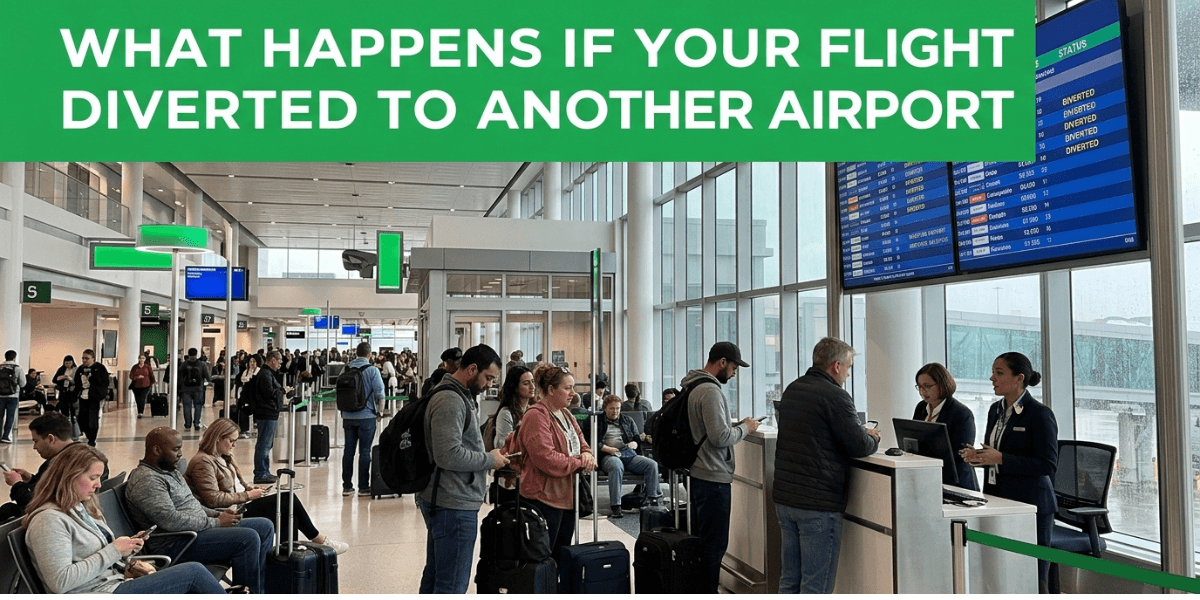
The aircraft descends to the alternate airport, following standard approach procedures. Once landed, passengers disembark as normal, though the location feels unfamiliar. Here’s where things get complicated: determining accommodation, rebooking options, and ground transportation becomes essential. Airline staff will be present to assist, though patience may be required as situations often become hectic.
Passenger Support Requirements
Airlines must provide certain support during diversions:
- Meals and refreshments if there’s a significant wait
- Accommodation provided if an overnight stay is required
- Communication facilities so passengers can contact family or colleagues
- Rebooking on alternative flights to the original destination
- Ground transportation to hotels or onward destinations, depending on circumstances
Timeline Expectations
The timeline varies considerably. Some diversions last just a few hours before the original flight continues, whilst others require overnight stays when maintenance or weather conditions prevent further travel. Understanding that flexibility is necessary helps passengers manage expectations and plan accordingly.
Airport Transfer and Flight Diversion Policy
The policy becomes critically important when you’re stranded at an unexpected location. Most airlines provide transportation between the diversion airport and accommodation, depending on their policies and the reason for the diversion. If you’re unfortunate enough to face a diversion whilst travelling to the UK, you’ll find that reputable ground transportation providers become invaluable.
Ground Transportation Options
For instance, if your flight diverts to an airport serving the London area while you were originally due to arrive elsewhere in the UK, you may need onward transport to your final destination or nearby accommodation. You might arrange a taxi from Luton Airport to St Albans, depending on your travel plans. Swift Airport Transfer specialises in helping diverted passengers continue their journeys with reliable, professional transport. Having a trusted transfer provider ready means you can adapt to unexpected changes quickly and reach your destination with far less disruption.
Airline Responsibility Coverage
Airlines typically cover transfer costs for diversions within their control, though this varies. Weather-related diversions sometimes fall outside compensation requirements under EU261 regulations, depending on how “extraordinary circumstances” are interpreted. Understanding your specific airline’s policies helps you navigate the situation confidently and know exactly where you stand regarding cost responsibility.
What are the Taxi Charges If the Flight Is Diverted
Financial responsibility for ground transportation during diversions confuses many passengers. Generally, airlines cover taxi charges if the flight is diverted and the airline provides official transport.
However, if you arrange independent transportation, you might not receive reimbursement unless circumstances warrant exceptional consideration. Clarity on this point prevents misunderstandings and unexpected expenses.
Documentation and Receipts
Keeping receipts becomes essential. Document every expense, including taxis, meals purchased whilst waiting, and phone calls made to sort out rebooking. These records support potential claims against the airline or your travel insurance provider. Some travel insurance policies cover diversion-related costs, though coverage varies widely. Maintaining organised documentation puts you in a stronger position when pursuing reimbursement.
Making Cost-Effective Decisions
Passengers should ask airline representatives about compensation options before arranging paid transportation. Sometimes, airline staff can arrange transfers directly, eliminating out-of-pocket expenses entirely. Taking the initiative to ask questions protects your interests and can save considerable money in an already stressful situation.
Managing Your Situation After Diversion
Once diverted, prioritise communication. Contact your accommodation or business contact to explain your situation. Check your flight booking confirmation for the airline’s customer service number; you’ll need it to rebook and file any potential compensation claims. Many airlines now offer real-time updates through their mobile apps, providing flight status and rebooking options instantly. Staying informed helps reduce stress and uncertainty.
Keep essential documents, your passport, booking confirmation, and identification accessible, as you’ll need them repeatedly throughout the diversion process. Maintain your calm and patience; airline staff are managing the situation under pressure, and cooperation makes the process smoother for everyone involved. Your attitude and preparedness contribute significantly to how smoothly the situation resolves.
Final Thoughts
Purchase travel insurance that covers flight diversions and select airlines known for passenger care. Choose carriers with good diversion protocols. Prevention reduces stress; understanding your rights and what to expect helps. Airlines prioritise passenger welfare during diversions, reflecting a safety-first approach that ultimately protects everyone. Making informed airline choices better prepares you for potential disruptions.
Looking for an airport taxi to St Albans? Swift Airport Transfer provides reliable ground transportation when you need it most. Our drivers understand the stress of diversions and work efficiently to get you there. Connections with trustworthy transport providers let you move forward confidently wherever you are.